Your ThinkPrint is how your particular brain is wired up and how it works. It reflects both what you were born with and what you have experienced. It is unique to you, like your fingerprint. It describes what goes on in your mind – where your thoughts go, how you perceive things, what you are interested in and enjoy, how you feel, learn, react and behave. But unlike your fingerprint, your ThinkPrint can change. Our brains are continuously wiring up new circuitry throughout our lives as we live and learn. You are a work in progress!
ThinkPrint is a word I made up to capture the idea of neurodiversity – the fact that we all have different kinds of brains, designed to learn some things better than others. We have evolved this way on purpose, so that we can do all the different kinds of jobs that need to be done in our complex society. To expect everyone to learn the same way, to be interested in the same things, to function equally well in all situations, is to misunderstand human nature and the neurodiversity that underlies it. Neurodiversity is the norm. We have to remember that when we describe someone as “neurotypical” or “neurodivergent.” We are all different, and some of us are more different. Our type and degree of “differentness” is important to understand.
We all do best when we direct our energy toward what comes naturally to us, what we’re interested in and enjoy. We learn best what our particular brain was designed to learn. Our motivation and attention are best when we are doing what we find interesting and enjoyable, and we are most successful when we can imagine it and believe in ourselves. Becoming aware of your “ThinkPrint” – your strengths, your challenges, your preferences, your vulnerabilities – enables you to find your best path in life, toward healthy relationships, rewarding work, to let go of worries and regrets, to cultivate your own wellbeing.
From one angle, we are who we are when we’re born. We inherit a certain kind of intelligence and a certain emotional makeup, or personality, from our parents. Our interests and preferences, our tendencies and sensitivities, individual differences in how we think, learn, feel and behave, are apparent from very early on. At the same time, though, from the moment we are born and as development unfolds, our experiences modify this genetic programming. We learn, we change, we grow. And as we learn, the neural circuits in our brains get wired up, and rewired, and this changes the way we think and respond. Our positive experiences – the love, attention, and encouragement of our caregivers, having our needs met, having a stimulating and safe environment to explore – enhance our strengths and reduce the impact of vulnerabilities. Our negative experiences – trauma, neglect – does the opposite. Much depends on the wellbeing – the emotional stability and availability of our primary caregiver, usually our mother. This is why it is so important to first understand and accept ourselves, and to take good care of ourselves. We can help each other grow, or we can tear each other down. Understanding is the first step.
We can think about a spectrum of emotionality – some of us naturally feel emotions very strongly, and others do not. We can think about a spectrum of sociability – some of us very much want to be connected to other people, others do not. We can think about a spectrum of novelty seeking – some of us seek things that are new or different, others like things that are familiar and don’t like surprises. These are all examples of differences in how our brains are wired from the start. Of course these tendencies can be modified by experience, but they are powerful elements of our ThinkPrint.
You already know many things about yourself (or your child), but you need a framework for understanding what you know. For example, what do you do when you can do whatever you want? How did you play when you were little? Did you make friends easily? Do you tend to worry about upcoming events? Are you happiest when you are physically active? Are your feelings easily hurt?
Our ThinkPrint, unlike our fingerprints, can evolve. We can learn and grow and change, more than we think would be possible. We can understand the very early source of our relationship patterns, and develop a healthier and more flexible and dynamic style. We can loosen our grip on our beliefs and contemplate alternative views. We can learn to love ourselves and those close to us as we are, right now, and stop focusing on the weeds instead of the flowers. We can, literally, change our minds.
Five Processing Systems
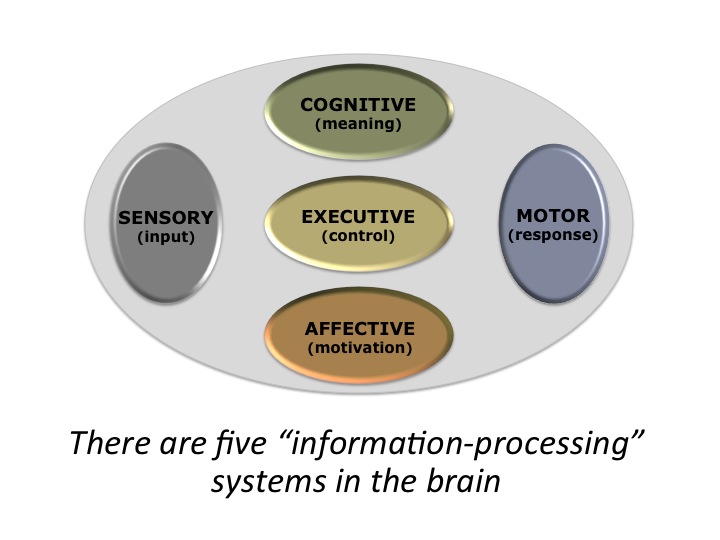
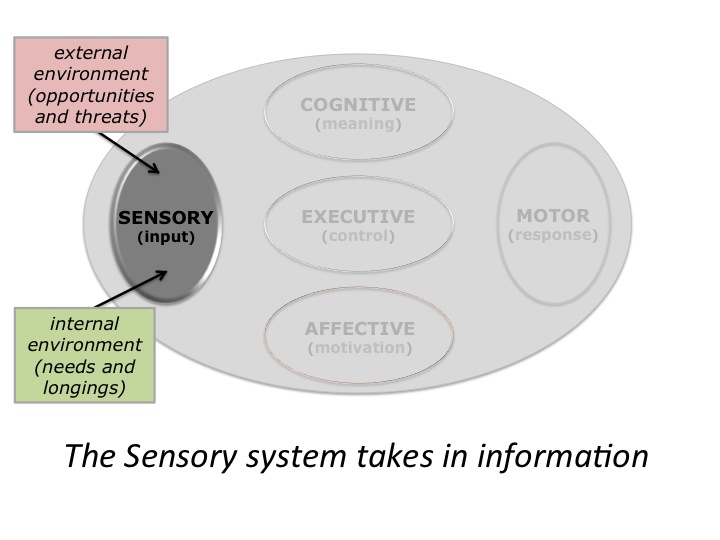
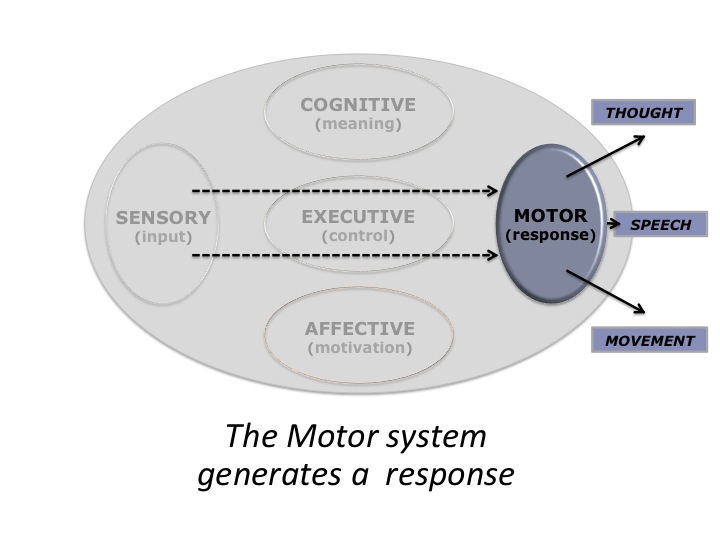
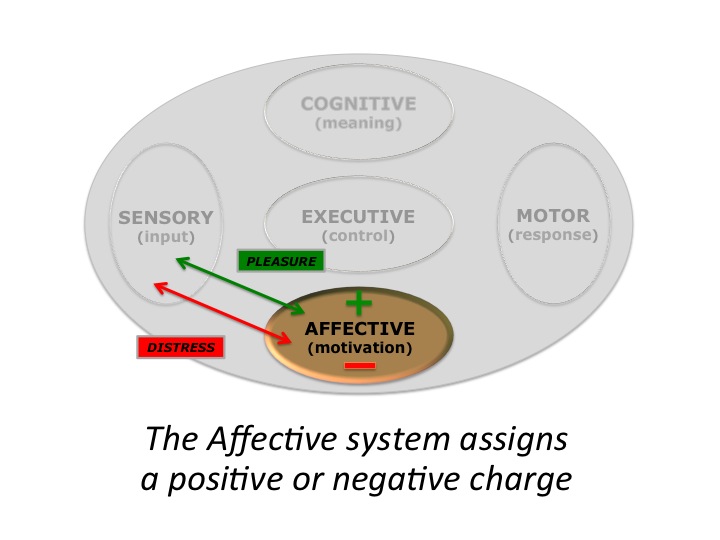
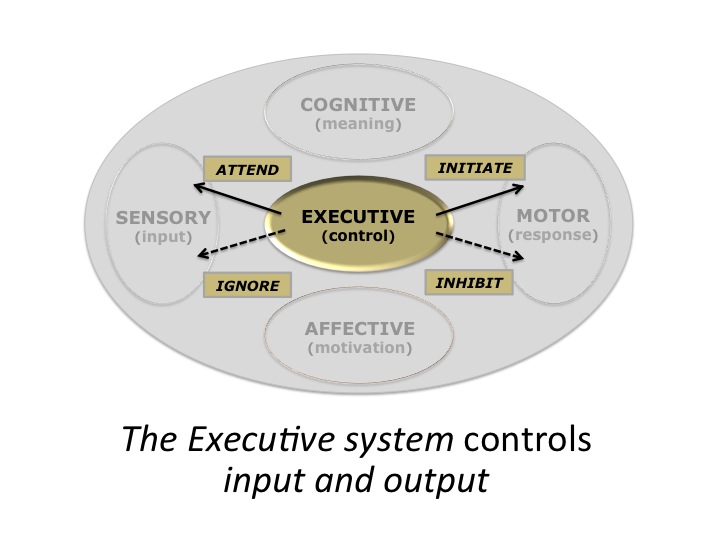
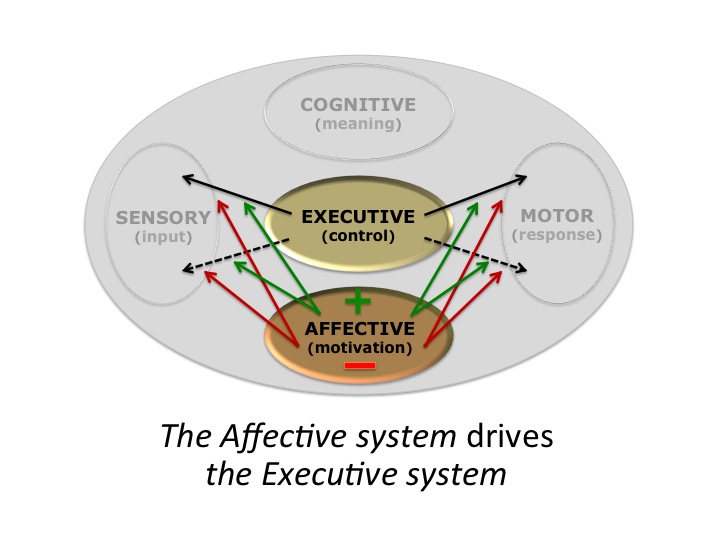
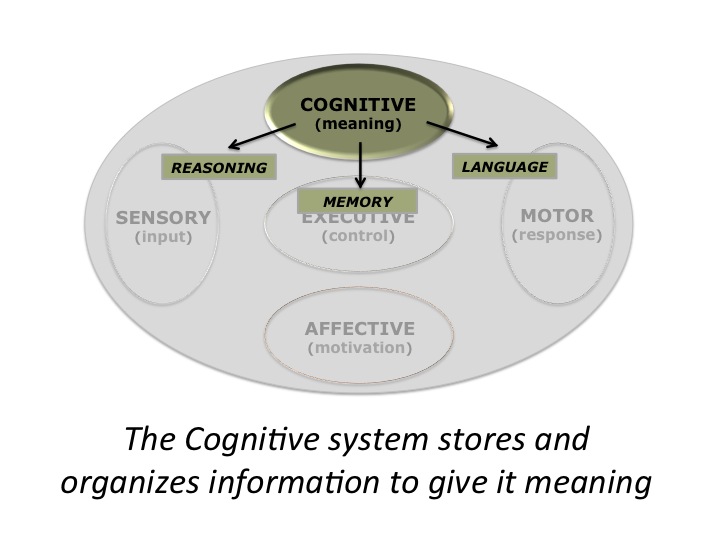
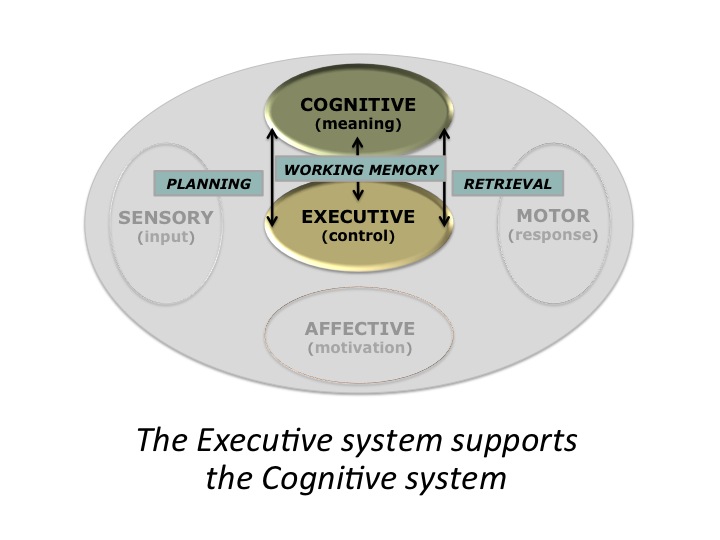
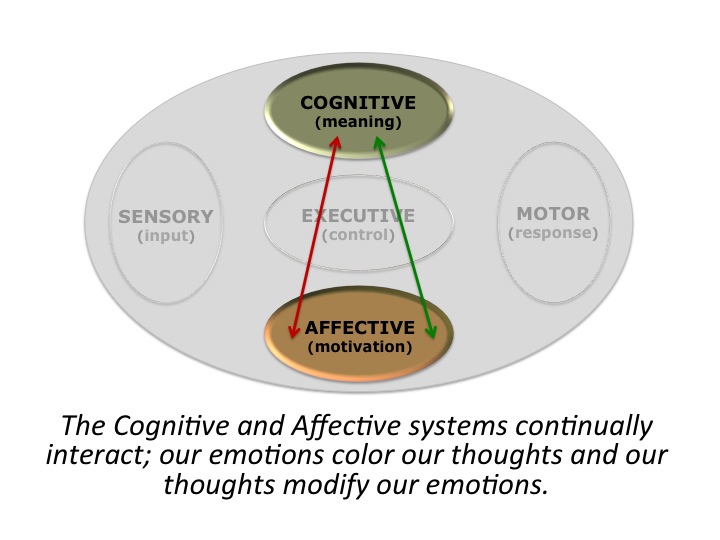
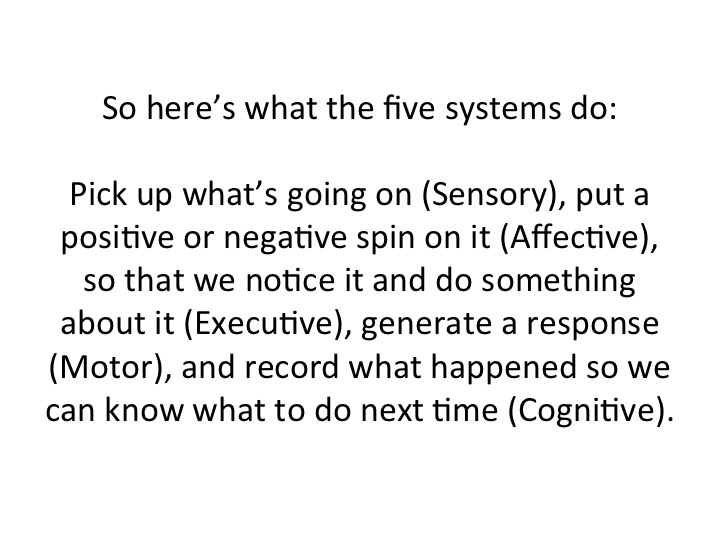
To help you understand yourself better, it is helpful to understand a bit about how your brain works. There are three higher-level processing systems in the brain: the Affective (emotional) System, the Executive System, and the Cognitive system. The Emotional system provides motivation for what we pay attention to and how we respond to it. The Executive System controls our attention and responses. The Cognitive System stores and organizes information from our experiences to give it meaning and so we can use it later. In addition, the Sensory System and the Motor System are responsible for input and output – the events in the outer and inner world that we experience and the responses we make.
